

Site Search
238 results for MAKEMUR.com pay for extra phone calls in prison Virginia
- [pdf] Personalized Ads - Facts & Figures
- [pdf] G3NU-Application for Non-Underwriting Change
- [pdf] G2 - Application for Non-Underwriting change
-
Digital Payment Options for Your Client’s First and Subsequent Annual Payments for Individual Life a
This article has been updated to reflect changes to the Pre-Authorized Debit (PAD) for new business annual premiums – see below #2.
To enhance the ease of doing business with Equitable Life, we have added some additional payment methods to help your clients make their first and subsequent annual premium payments easily.
Three digital payment options for annual premium payments:
1. Online bill payment - Your client can pay their annual premium easily and quickly by using the online bill payment option through their financial institution. On your client’s banking website, they must set up “EQUITABLE LIFE-INDIVIDUAL LIFE & CI” as a “PAYEE”. Use the 9 (or 7) digit policy number as the “account number” then pay this new “bill”. This is the preferred option for annual payments.
2. Pre-Authorized Debit (PAD) - For policies where annual premiums are $2,500 or greater, your client now has the additional option of an annual PAD payment. Your client needs to provide a signed PAD authorization form, or a signed letter of direction that indicates they have read and agree to the terms of the PAD. This is a one-time authorization and needs to be repeated for subsequent annual payments.
3. Electronic Funds Transfer (EFT) or Wire Transfer - If online bill payment or a one-time PAD will not meet your client’s needs, such as when transferring funds from another financial institution or business to Equitable Life, and the annual premiums are $20,000 or greater, then an EFT is now an option that is available. A wire transfer is available on an exception basis only and is subject to approval.
Please contact your Regional Sales Team or customer service team for further questions.
-
Did you miss our Equimax update in December?
Equimax – a better and stronger solution!
Discover the latest Equimax updates
Great news! We’ve made further updates to our Equimax® insurance solution to better serve clients.
Here are some of the changes:
● A new guaranteed 10 pay premium option for Equimax Wealth Accumulator®.
● You can now add an Excelerator deposit option (EDO) on Equimax Estate Builder® and Wealth Accumulator plans with a 10 Pay premium option (term rider not required at issue of the policy).
● We increased our flexibility with EDO. This will make it easier for clients to stop and start EDO contributions without losing their maximum approved contribution room. On top of that, these changes will apply to all inforce policies. A single set of EDO rules will apply to every Equimax policy whether it’s issued tomorrow or 10 years ago, making it simpler to help clients manage their policies.
● We increased the maximum amount of Equimax coverage that can be applied for without a special quote from $20M to $25M.
Equimax is now an even better and stronger solution. For a full breakdown of these product updates visit our splash page.
*Video available in English with French and Chinese sub-titles.
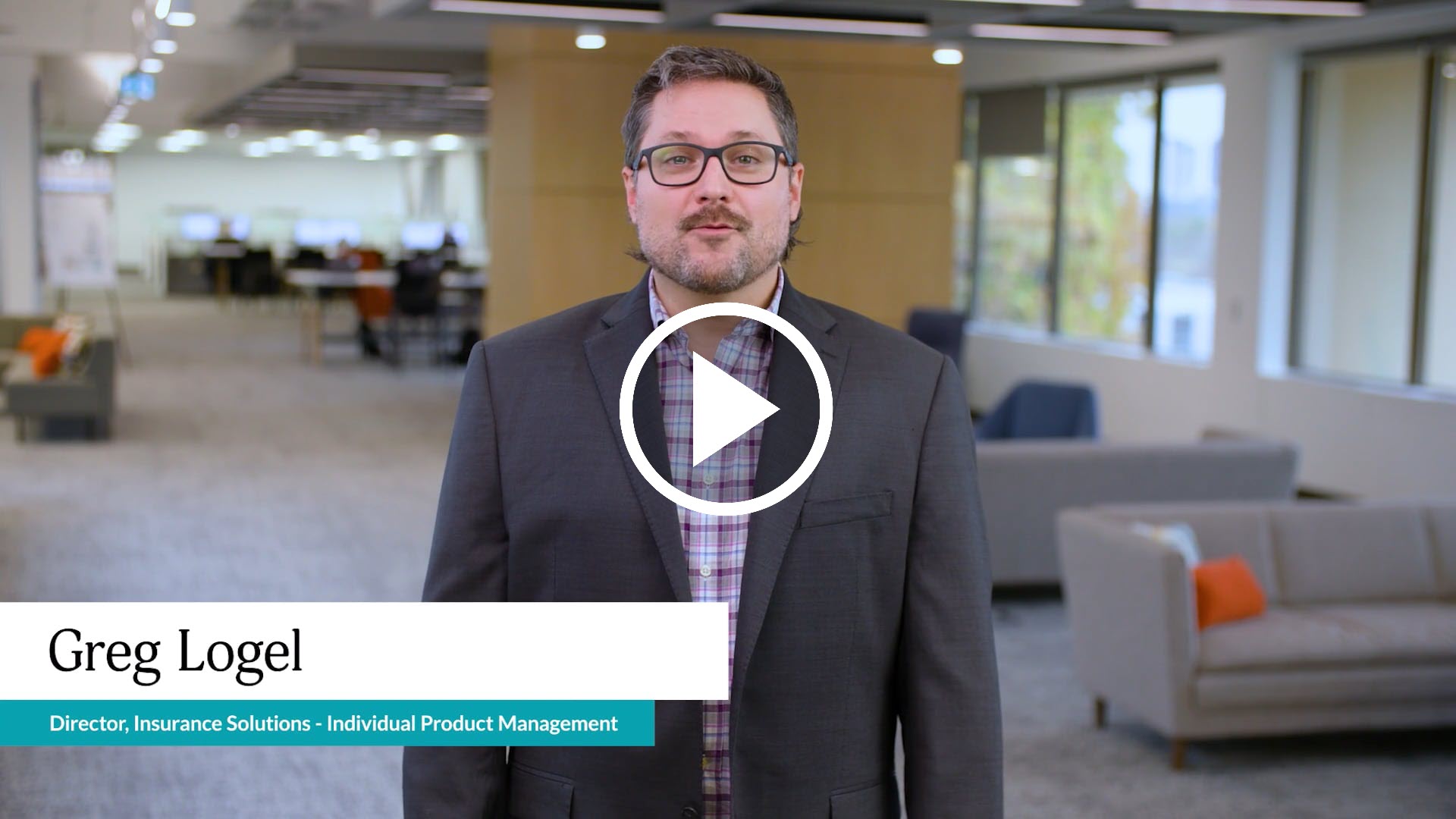
Please refer to our Transition Rules for all the details on processing your applications.
Need more information? Please contact your Equitable wholesaler. -
Understanding debt: A key to building wealth
Why debt matters in wealth conversations
Debt is part of life for many Canadians. But not all debt is the same. As an advisor, you can help clients understand their debt and how to manage it. This is key to building wealth and confidence. Financial Literacy Month is a great time to “Talk Money.”
Types of debt1- Secured: This is backed by something the client owns, like a house or car. Its cost of borrowing or interest rate is usually lower.
- Unsecured: This includes credit cards and personal loans. These debts have no asset behind it and often cost more.
- Revolving: These are like credit cards. The balance owing can carry over to the next month.
- Installment: These are like car loans. Clients pay a set amount each month.
Helping clients manage debt- Pay off high-interest debt first: Credit cards are often a good place to start.
- Consolidate: One lower-interest loan payment can replace many.
- Make a budget: Include debt payments and savings.
- Use insurance-based investments: Segregated funds and Daily/Guaranteed Interest Accounts offer protection and guarantees. These can help clients manage risk while growing wealth.
Why reducing debt matters
Less debt can mean more financial freedom. Clients can save more, stress less, and plan better for retirement. It also helps them leave a financial legacy.
Your role as an advisor
You do more than sell products. You guide clients to make smart choices. Use this article to start a simple, clear conversation about debt—and how Equitable Individual Wealth solutions might fit into their overall financial picture.
Talk to your Director, Investment Sales today for more strategies to help clients with debt.
1 Source : ARC, 2025-03-28 - [pdf] Equitable GIF FHSA Application
- [pdf] Equitable GIF TFSA Application
- [pdf] Equitable GIF Registered Application
- Anti-money Laundering Legislation Requirements Summary